

MBTI in Friendship: Why You Click With Some People Instantly?👭🏻
🌸Have you ever walked into a room, met a stranger, and felt an immediate "spark" of platonic chemistry? Or perhaps you have a long-term friend where, despite the love, every conversation feels like a slight uphill battle in translation.💬
In the world of social dynamics, friendship chemistry is rarely random. While "vibes" are often cited as the cause, the mechanics usually boil down to how our personalities interact. Your MBTI (Myers-Briggs Type Indicator) affects everything from your conversational pace and level of openness to your sense of humor and how you process conflict.
Understanding your MBTI friendship style is the first step toward finding people who make you feel safe, seen, and truly connected.✨
1. What Creates an Instant Connection?💗
That "instant click" is often a result of cognitive alignment. When two people meet and feel immediate ease, it's usually because of these four factors:
● Shared Energy: We tend to gravitate toward those who match our social battery. Introverts often find instant peace with others who don't demand constant "on" energy, while Extroverts spark off each other’s enthusiasm.🔋
● Shared Values: This often happens between "Feeling" types who prioritize empathy, or "Thinking" types who bond over shared logic and objective truth.💞
● Complementary Strengths: Sometimes we click because the other person provides what we lack. A "Judging" type (who likes structure) might feel an instant sense of relief around a "Perceiving" type who brings spontaneity and ease into their life.📝
● Emotional Safety: True connection happens when you feel you don't have to "mask." When someone's cognitive functions mirror yours, the "unspoken" is understood, creating a sense of immediate safety.🌱
2. Friendship Needs by MBTI Preference
To build deep connections, it helps to know what your friends actually need based on their MBTI preferences. Everyone experiences loyalty differently:
● Introverts (I) want Depth: They would rather have one four-hour conversation than four one-hour hangouts. They value friends who respect their need for "hermit mode" without taking it personally.😳

● Extroverts (E) want Momentum: They feel connected through shared activities and high-energy interaction. For them, friendship is a verb—it’s about doing things together.🤪

● Sensors (S) want Presence: They value reliability and "showing up." A Sensor feels loved when a friend remembers the small details of their life or helps them with a practical task.💫

● Intuitives (N) want Meaning: They look for "soul-level" connections. They want to talk about the "why" behind the "what" and need friends who aren't afraid of abstract or deep topics.💥

● Thinkers (T) want Honesty: For a Thinker, a "good friend" is someone who tells them the truth, even when it’s uncomfortable. They bond through intellectual respect and problem-solving.🗯️

● Feelers (F) want Warmth: They need to know their emotions are valid. They value verbal affirmation, active listening, and a friend who prioritizes harmony.💓

3. Why Misunderstandings Happen🧐
Even the best friendships hit roadblocks. Most "toxic" dynamics are actually just miscommunications between different personality styles:
● Contact vs. Space: One friend might want daily texts to feel connected, while the other prefers weeks of silence followed by a deep catch-up. Neither is wrong, but the mismatch can cause anxiety or feelings of being smothered.
● Logic vs. Emotion: When a problem arises, one friend might immediately offer logical solutions (Thinker), while the other just wants their feelings to be heard and validated (Feeler).
● Humor vs. Sensitivity: Some types bond through "roasting" or casual teasing. To a more sensitive or harmony-seeking type, this can feel like a personal attack rather than a sign of affection.
4. Friendship Compatibility Without Toxic Ranking✋🏻
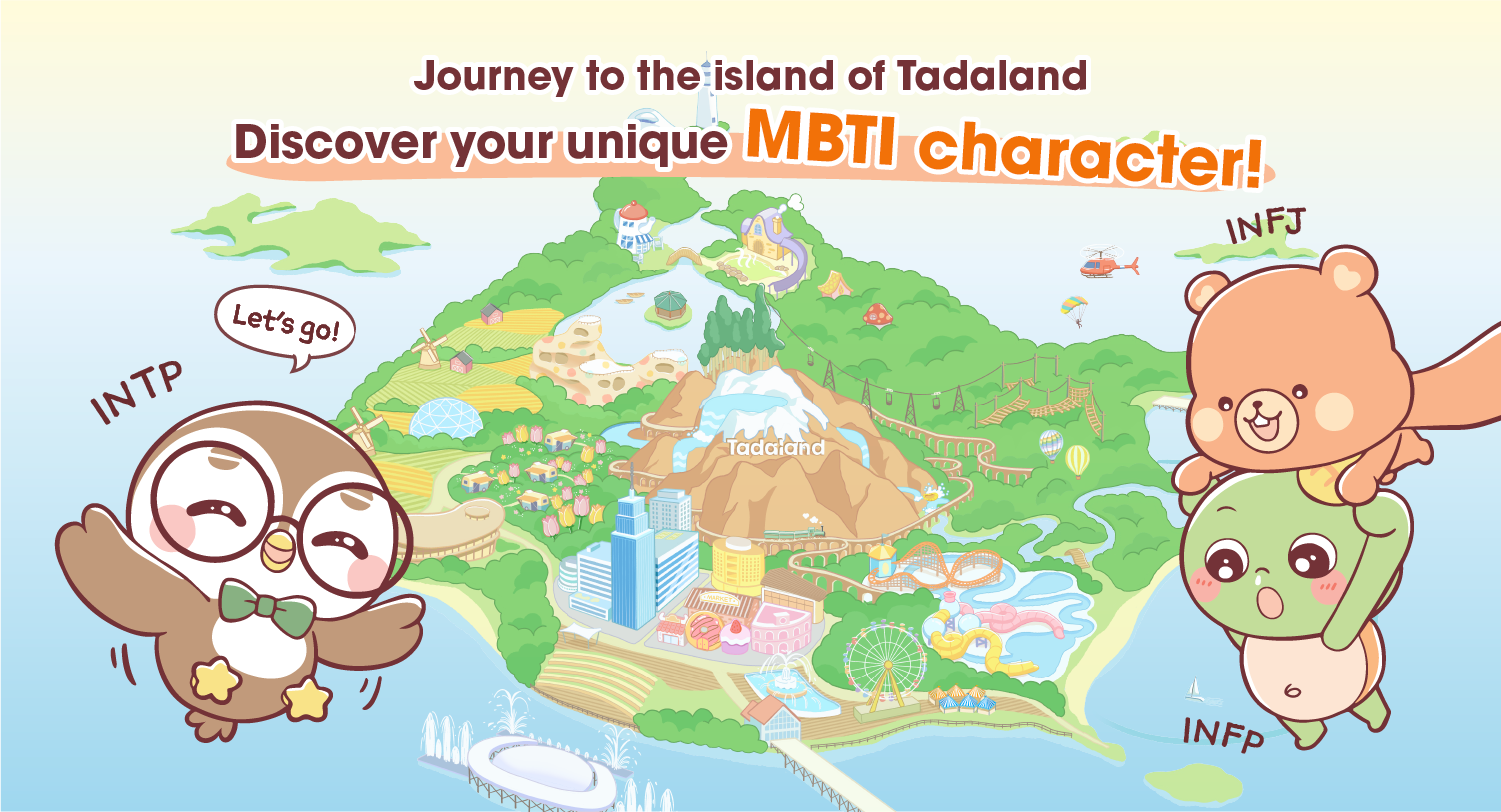
At Tadaland, we believe in moving away from "toxic ranking" charts. You have likely seen memes claiming certain types are "incompatible" or "nightmares" for each other.
The truth is, there is no "best type" for friendship—only a better understanding of the person in front of you.
✨Healthy Friendship > Stereotype Shipping
Instead of looking for the "perfect match" on paper, use MBTI as a tool for empathy. An INTJ and an ESFP can be best friends if the INTJ respects the ESFP's need for fun and the ESFP respects the INTJ's need for solitude. When we stop trying to change our friends and start understanding their "operating system," we create the space for a connection that is both safe and lasting.
👉
Are you curious about your own friendship style? Explore more insights and personality deep-dives at tadaland.net.