

Understand the conflict pairs in MBTI :Understanding the Differences Between Thinking vs. Feeling and Judging vs. Perceiving Types
In the complex realm of interpersonal relationships, friction is an entirely unavoidable byproduct of human interaction. However, the specific mechanics of how a disagreement escalates and eventually resolves are deeply rooted in our innate cognitive preferences. Actually, understanding the specific "conflict pairs" within the MBTI framework 🔍 is the absolute most effective method to avoid unnecessary friendship drama 🎭 and foster long-term emotional stability 🕊️.
Psychologists and organizational behavior experts highlight that differences in the final two letters of the MBTI dichotomy—Thinking (T) versus Feeling (F), and Judging (J) versus Perceiving (P)—are the primary catalysts for relational dissonance ⚖️. The Thinking/Feeling divide dictates the fundamental evaluation of a conflict 🧩. A 'T' preference relies on objective logic 🧠, viewing the argument as an external problem to be solved efficiently 🛠️, which often allows them to maintain a clinical, emotional distance. An 'F' preference, conversely, evaluates the situation based on subjective human values and emotional harmony; they desperately seek empathy and validation before they can even begin to entertain a logical solution 🔍.


When an ESTJ approaches a disagreement with an INFP, the clash can be spectacular. The ESTJ’s direct, pragmatic critique 🗣️ may be perceived by the INFP as an aggressive invalidation of their core identity and values😣. To repair this tear in the relationship fabric 🧵, the Thinking type must learn to verbally validate the Feeling type's emotional state❤️, while the Feeling type must actively recognize that the Thinker's objective analysis is an attempt to help 🤝, not a targeted attack on their character🎯.
Similarly, the Judging/Perceiving divide heavily influences the structure of conflict resolution. 'J' types require swift closure ✅, definitive answers 📌, and clear actionable steps 🪜 to alleviate the intense anxiety of an unresolved dispute. 'P' types, however, prefer open-ended dialogue 💬, needing significant time ⏳ to process incoming information and explore alternative perspectives before committing to a final resolution.


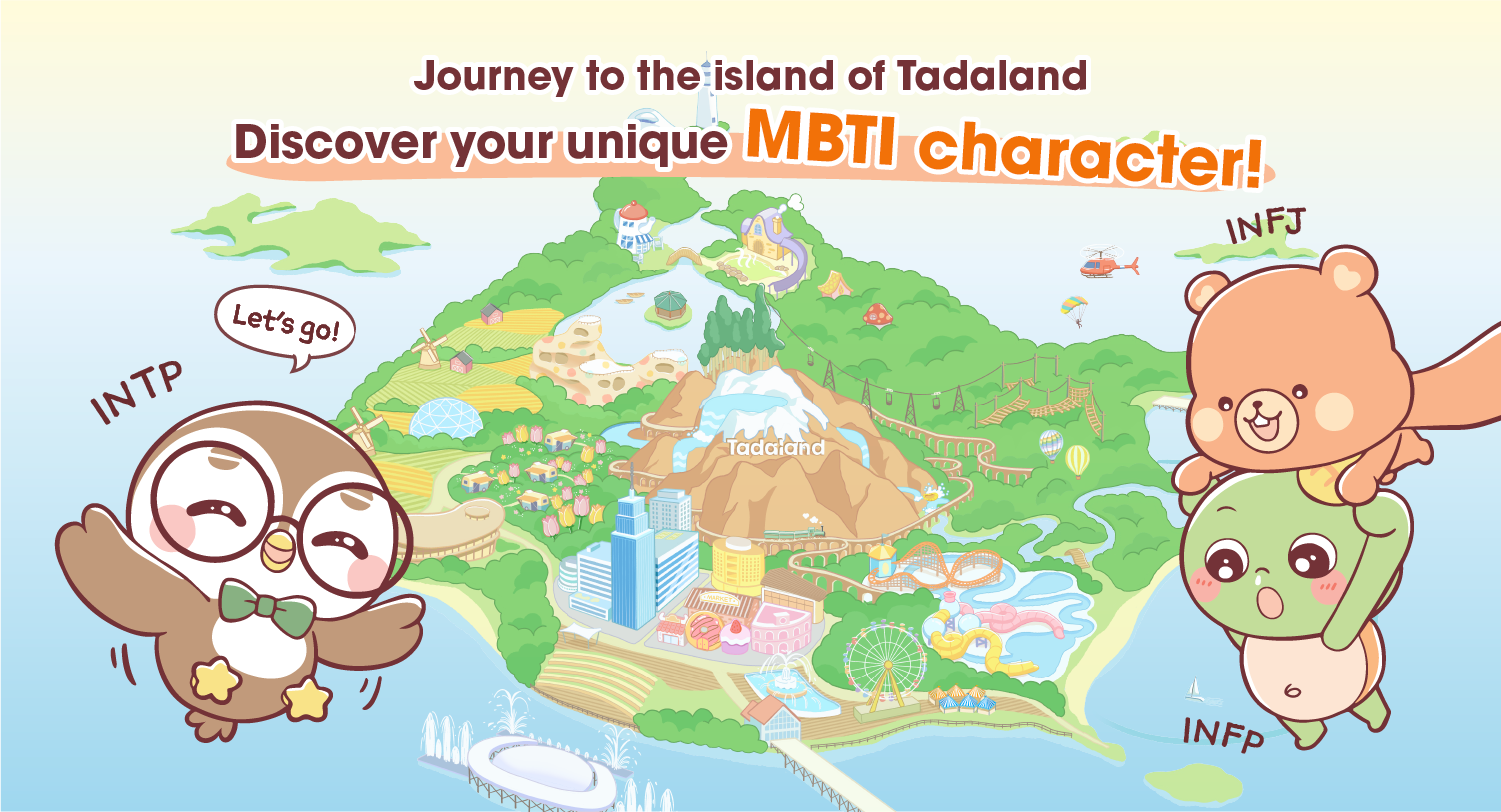
In the Tadaland universe, the Tadamates beautifully demonstrate varying conflict tolerances. Pierre, the ENTP Chameleon 🦎, thrives in versatile, free-flowing debates, utilizing his adaptable 'P' nature to pivot around strict rules and find creative compromises 🎨. In stark contrast, Beanie, the ISTJ Ant 🐜, operates as the "fair and square prosecutor" ⚖️, demanding strict adherence to established protocols and factual timelines🧾. When these divergent methodologies clash, mutual concession is absolutely required.
Mastering MBTI conflict resolution means shifting deliberately from an adversarial mindset to a highly collaborative one. By identifying whether your friend needs immediate emotional validation ❤️ or structured logical clarity 📊, you can navigate the dissonance intelligently and emerge with a highly strengthened bond that survives the inevitable storms of friendship ⛈️.