

Why K-pop Idols' MBTI Types Keep Changing
Your bias said they were an INFP in 2021. In 2023 they retested on a variety show and came out ENFP. Fans argued for a week. Somebody made a chart. If you have followed K-pop MBTI for any length of time, you have watched this happen to almost every group, and it raises a fair question: if the type keeps changing, does any of it mean anything?
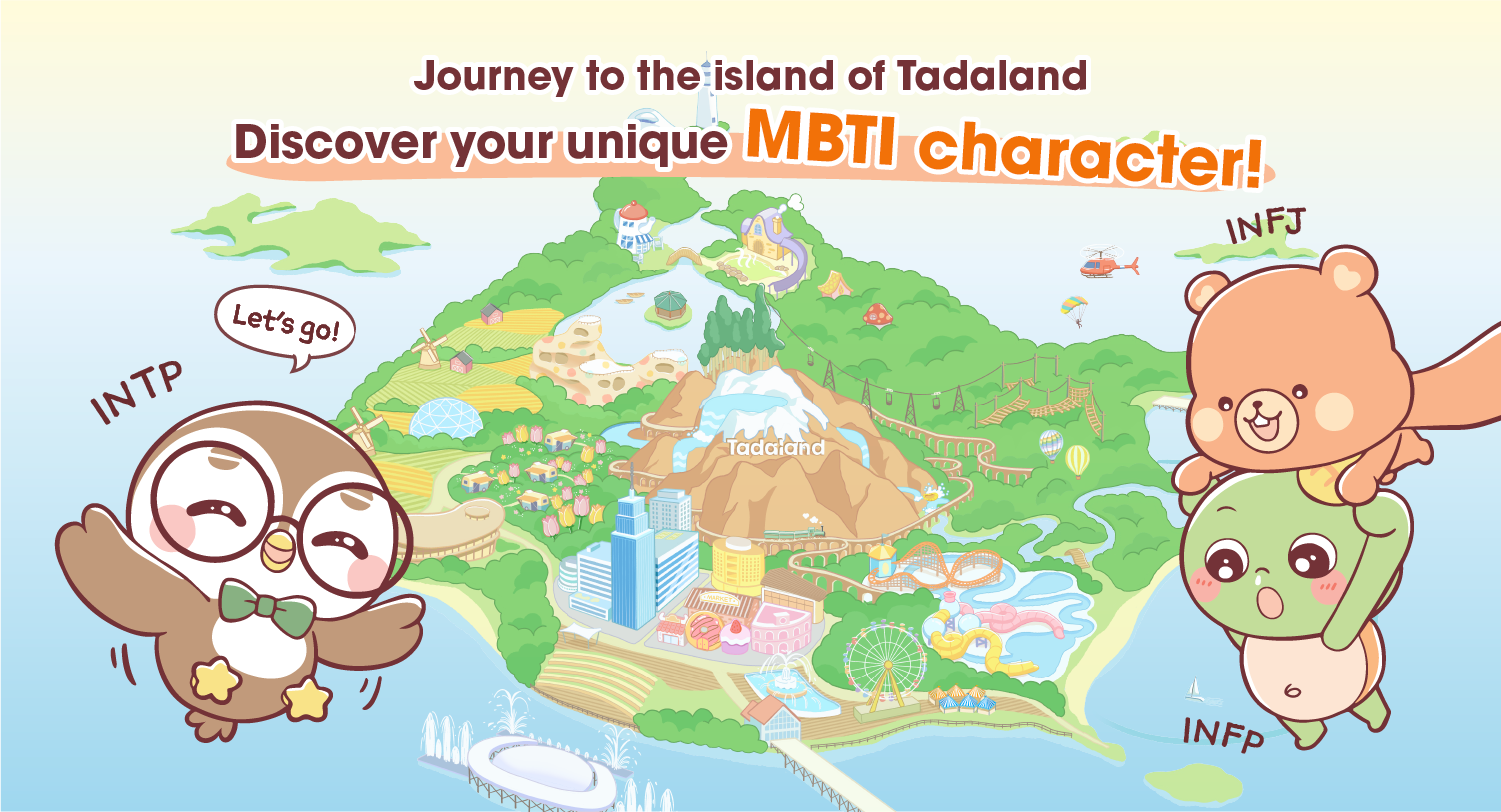
Short answer: yes, but not in the way most fan charts assume. Take our FREE 16 Personalities - Tadaland MBTI Test! first, then let's talk about why your own result might shift too.
Retesting really does change results, and not rarely
This is the part fan communities tend to skip. Type indicators of this kind have a well-documented reliability problem: a substantial share of people who retake the same instrument a few weeks or months later come out with a different four-letter result. Usually only one letter moves, and usually it is the letter they were closest to the middle on in the first place.
So when an idol announces a new type, the most likely explanation is not that they changed as a person, lied, or "matured". It is that they were near the boundary on one dichotomy, and a boundary result is a coin toss that gets re-flipped every time you take the test.
Four reasons an idol's type moves
1. They were borderline to begin with
Most people are not extreme on all four dichotomies. Someone who is 51% Introverted will read as I on Monday and E on Thursday depending on whether they have just come off a two-week tour or a week off. The letter flipped; the person did not.
2. The version of the test differs
Idols rarely take the official instrument. They take whichever free online version the production team pulled up, and those vary enormously in question count, wording, and how they handle a middling answer. Two different tests on the same day can genuinely produce two different results.
3. They are answering as who they want to be
Every self-report test measures self-perception, not behaviour. On camera, in front of a fandom, that self-perception is being performed a little. This is not dishonesty — everyone does it, including you, quietly, in your own results.
4. They were joking
Worth stating plainly. A lot of idol MBTI content comes from variety segments designed to be entertaining. Some answers are bits. The fandom then records them as canon.
So how should you read an idol's MBTI?
Treat it as a snapshot of how someone described themselves on one particular day, on one particular test, in front of a camera. That is genuinely interesting — it tells you something about how they see themselves and what they want their fans to see. It is not a diagnosis, and it was never designed to be one.
The most useful way to enjoy this stuff is to stop asking "what type is she" and start asking "what does it tell me that she picked that". An idol who consistently self-reports as an introvert while performing to stadiums is telling you something real about their inner experience, and that holds whether the fourth letter lands on J or P.
The same applies to your own result
If you take a personality test twice and get two answers, you have not failed the test and the test has not failed you. You have probably just found the dichotomy you sit closest to the middle on — and that is often the most interesting thing about you, not a flaw in the result.
People who sit near the middle on Thinking–Feeling frequently make the best mediators, because they genuinely see both. People near the middle on Judging–Perceiving often adapt across chaotic and structured teams better than anyone. A borderline letter is information, not an error.
How we handle types at Tadaland
Every K-pop guide on this site labels whether a type is idol-stated or fan-inferred, and we date the guides so you can see when the claim was made. When a member publicly retests, we update the guide rather than pretending the first answer was always right. Our full index is the BTS guide and the rest of the group guides linked from the MBTI Blog.
And when you find your own four letters, you get a character rather than a verdict — meet the 16 Tadamates and see which one you recognise. If your result shifts next year, you get to meet another one. That is not a bug.
An editorial note
MBTI-style typing is a framework for conversation and self-reflection, not a clinical or scientific assessment, and it should not be used for hiring, streaming students, or making decisions about anyone's future. We write about it because it gives people a warm, structured vocabulary for talking about difference. That is where its value sits, and we would rather say so than sell you certainty we do not have.