

ESFJ Personality Type: A Complete Guide
The ESFJ is usually introduced as "the consul" or "the caregiver", and then described as the friend who remembers everyone's birthday. That is true, but it makes the type sound like a service. What ESFJs share is not niceness but a kind of attention: they notice, almost before anyone else, how the people in a room are doing, and they feel personally responsible for fixing it. The empty glass, the colleague left out of the lunch plan, the relative nobody has called since spring. Most of what makes the type so good to have around, and most of what wears it out, comes from that one sense of responsibility.
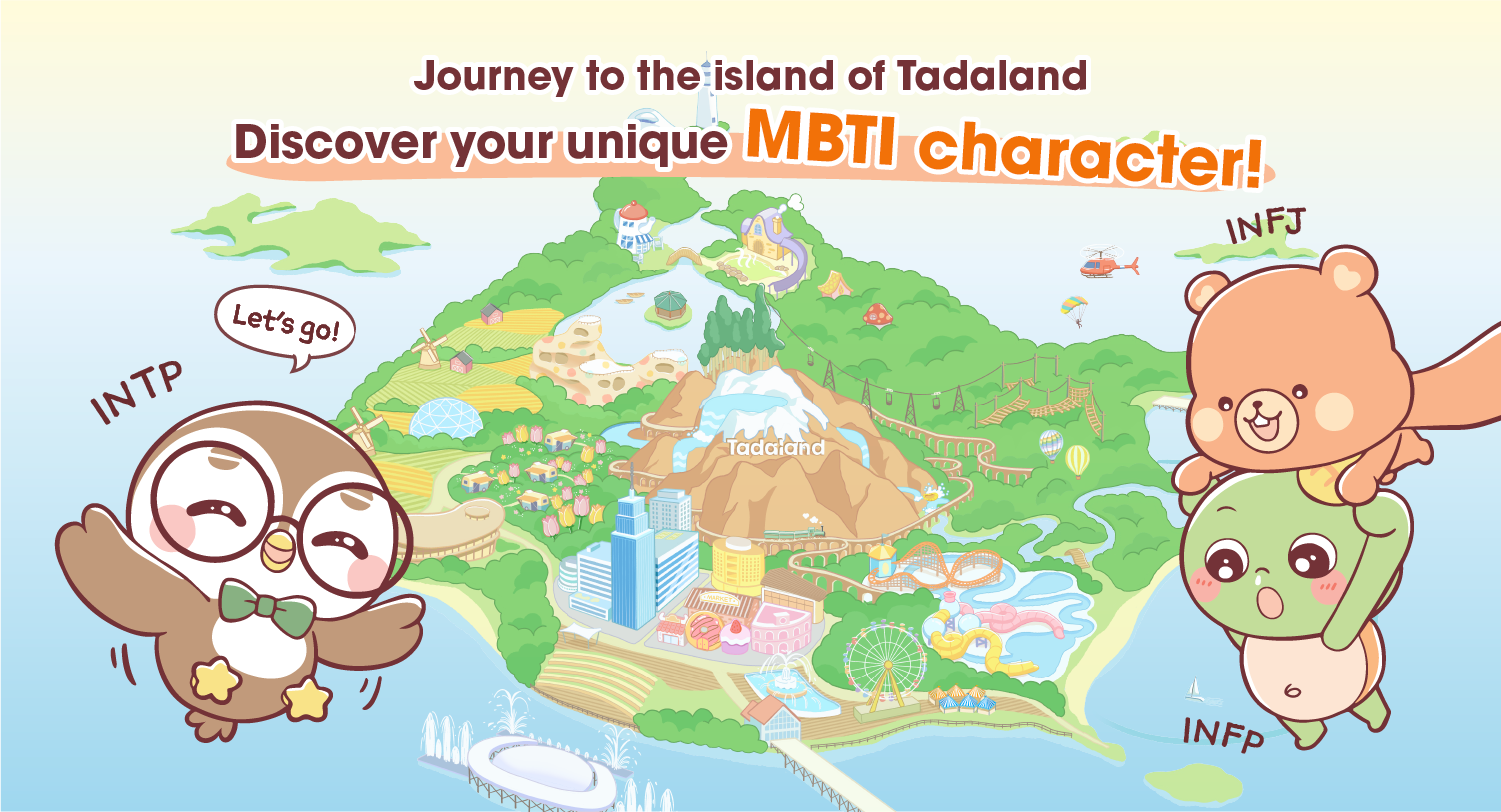
If you are reading this to find out whether it is you, a description is a weak way to decide. The FREE 16 Personalities - Tadaland MBTI Test! takes about ten minutes and gives you something firmer to start from.
How an ESFJ actually works
The letters stand for extraverted, sensing, feeling and judging. More useful are the two mental habits an ESFJ leans on most.
The first is extraverted feeling, usually shortened to Fe. It reads the emotional weather of a group and moves to keep it fair and warm. An ESFJ walking into a dinner has already registered who is tired, who is annoyed with whom, and who has not been asked a single question all evening. Fe does not wait to be told. It acts: a seat is changed, a topic is steered, someone is drawn into the conversation. To the ESFJ this is not effort, exactly. It is simply what a decent person does when they can see the problem.
The second is introverted sensing, or Si. It is a detailed memory for what has worked before and what matters to particular people. Your ESFJ friend remembers that you do not eat coriander, that your mother had surgery in March, and which restaurant your group always ends up at when nobody can decide. Si gives Fe its material. Fe notices that someone needs looking after; Si knows exactly how that person likes to be looked after.
Put the two together and you get the real signature: an ESFJ cares by remembering, and remembers in order to care. The kindness is not generic. It is specific, practical and usually on time. The cost is that an ESFJ keeps a running account of everyone's wellbeing, and rarely remembers to include their own.
The misreadings worth clearing up
"People-pleaser" is the wrong word
Because ESFJs work hard to keep things pleasant, people assume they will agree with anything to avoid friction. They will not. An ESFJ has firm views about how people ought to be treated, and when someone is unfair, rude to a waiter, or cruel to a person who cannot answer back, the ESFJ is often the first to say so. What looks like pleasing is really a commitment to the group being all right. When a single person threatens that, the ESFJ can be surprisingly direct.
ESFJ or ISFJ?
These two share the same pair of habits in a different order, so they look alike. An ISFJ leads with memory and care in private: the quiet one who has already refilled the rice cooker and said nothing about it. An ESFJ leads with the group: the one who organised the dinner, is chairing the table and has made sure the ISFJ gets thanked. Both look after people. The ISFJ does it behind the scenes; the ESFJ runs the scene.
ESFJ or ENFJ?
Both are warm, social and good at reading a room. The difference is where they look. An ESFJ looks at what people need now: has everyone eaten, does everyone feel included, is anyone upset? An ENFJ looks at what people could become: who has potential nobody has noticed, where the group might grow. Ask an ESFJ for help and you will get it today. Ask an ENFJ and you may get a plan for your next five years.
| At a gathering, the type mostly notices… | Type |
|---|---|
| Who has been left out, and how to bring them in | ESFJ |
| Who needs what, quietly, without being asked | ISFJ |
| What this group could turn into | ENFJ |
An ESFJ in a Hong Kong week
In Hong Kong the ESFJ is very often the admin of the family WhatsApp group. They are the one who books the yum cha table for twelve on a Sunday, knows which uncle cannot sit next to which aunt, and remembers to order the dish Grandma likes before anyone else has opened the menu. Festival dinners, whether at Mid-Autumn or Chinese New Year, run smoothly in many families because one ESFJ has quietly carried the logistics for twenty years.
At work they are the colleague who knows it is someone's birthday, collects for the card, and notices when the new joiner has been eating lunch alone for a week. In fast Hong Kong offices this work is essential and almost never counted. Nobody's KPIs include "kept the team speaking to each other", yet teams without an ESFJ often discover how much they relied on one only after that person leaves.
What restores them is less solitude than reciprocity: an evening where someone else has made the plans, a friend who asks how they are and waits for the real answer.
Where it gets hard
The ESFJ's great risk is that caring for everyone becomes a way of never being cared for. Because they are so good at noticing others' needs, other people stop noticing theirs. Months of giving without receiving can turn into resentment the ESFJ feels guilty about, which makes them give even more. Conflict inside a group they love is especially draining, and unkind criticism can land far harder than the speaker intended.
Under real strain, the less practised side of the type can take over. A stretched ESFJ may suddenly turn coldly critical, of others or, more often, of themselves: picking apart every conversation, deciding they have failed everybody. If you notice that in yourself, treat it as a sign you need rest and someone to look after you for a change, not a harder effort. How recovery differs by type is covered in how each type rests and recovers.
If it has gone further than tiredness and you are struggling to cope, please talk to someone today. Free, confidential help exists in Hong Kong: the Samaritan Befrienders Hong Kong (撒瑪利亞防止自殺會) on 2389 2222 and Suicide Prevention Services (生命熱線) on 2382 0000, both 24 hours.
At work
ESFJs do their best work where people are the point: teaching, nursing, healthcare, social work, human resources, hospitality, events, customer relations, school and office administration. They bring order and warmth together, which is rarer than it sounds.
They struggle in cold, cut-throat environments, in teams where conflict is left to fester, and in work whose human result they can never see. A job that is all spreadsheets and no people will slowly empty them.
If you manage one, say thank you specifically and out loud, make expectations clear rather than implied, and deal with team conflict instead of hoping it passes. Our Hong Kong office guide has more on getting the best from every type in a busy office.
In love and friendship
An ESFJ shows love through acts of care that are both practical and remembered: the soup when you are ill, the umbrella they pack because they checked the forecast for you, the anniversary they never forget. They like clarity. Ambiguity in a relationship, the "we'll see" and the unanswered message, genuinely unsettles them.
What they need back is simple and often forgotten: appreciation said aloud, and honesty when something is wrong. An ESFJ would much rather hear a problem directly than sense it and spend a week guessing. If you have hurt one, say sorry properly; our piece on how each type says sorry explains why the words matter so much to this type.
Pixi, the ESFJ Tadamate

In Tadaland the ESFJ is Pixi. It is a small, bright name for a type whose care is made of small, bright things: the remembered detail, the saved seat, the message that arrives exactly when you needed it. This guide is mostly about the part behind those things: the constant, careful attention that keeps a group together, and the person doing the attending.
How to be good to an ESFJ
Notice what they do. Then say so, specifically. "Thank you for booking" is kind; "thank you for remembering I can't do spicy food" is what an ESFJ will keep.
Tell them when something is wrong. Directly, and soon. Silence is not a kindness to this type; it is a puzzle they will try to solve at your expense and theirs.
Let them receive. Make the plan, pick the restaurant, ask how they are and wait for more than "fine". It may feel awkward to them at first. Keep going.
And do not mock the traditions. The family dinner, the group photo, the card everyone signs: to an ESFJ these are not formalities. They are how people show they still belong to each other.
To check whether this is your type, take the free Tadaland MBTI test and meet all sixteen Tadamates.