

MBTI Results: Sharing Is a Choice
The team has a blank board and a simple icebreaker: write your name and four personality letters. One volunteer has already welcomed the newcomers, found an extra chair and started a lively conversation. Then she leaves the four-letter box empty. That is not a contradiction. Enjoying people and choosing who sees a personality result are different decisions, and a useful MBTI conversation needs room for both.
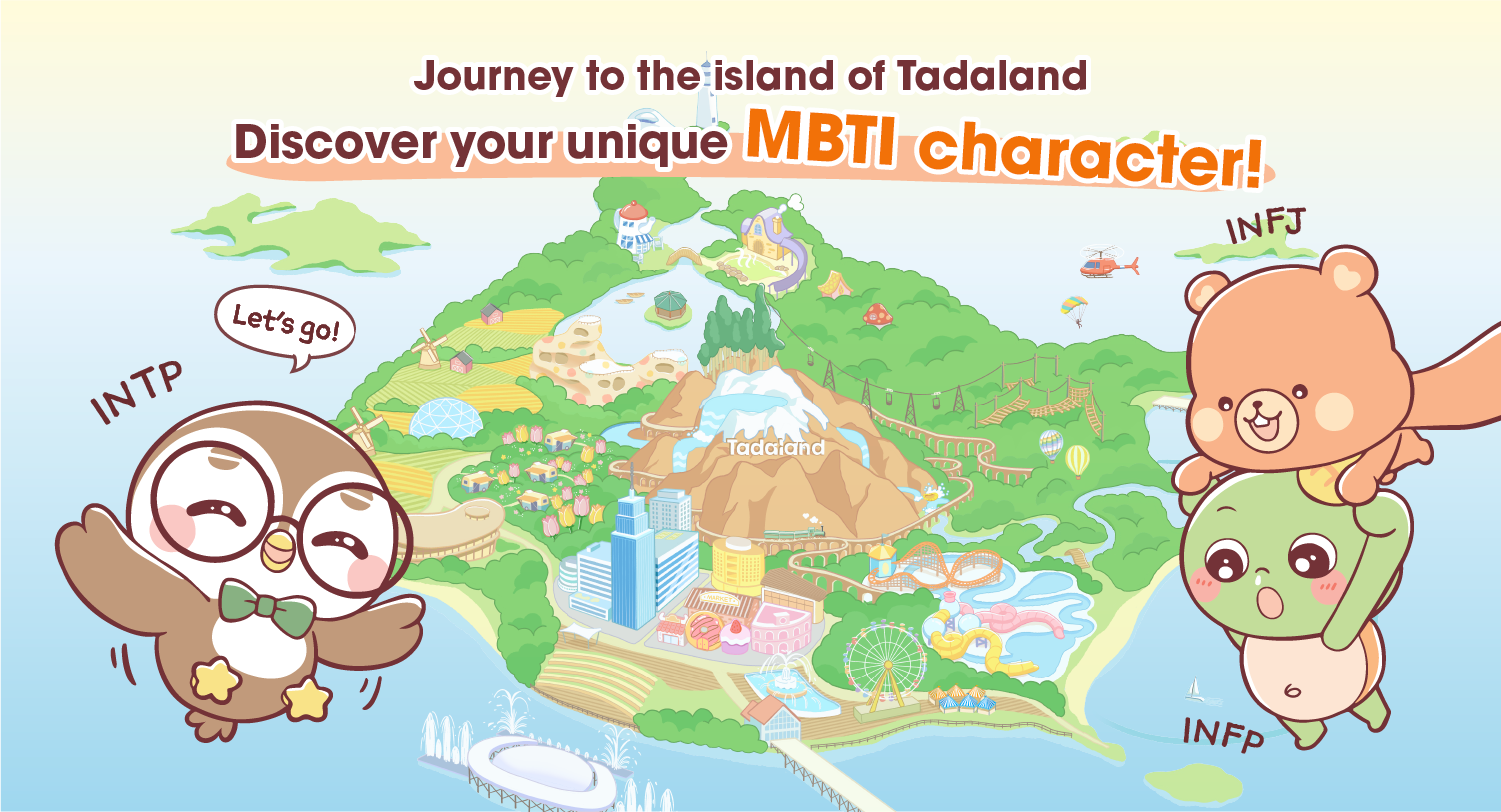
For a playful starting point for your own reflection, explore the FREE 16 Personalities - Tadaland MBTI Test!. Tadaland's character quiz is not the official MBTI assessment. Taking it, or sharing any result, is not a condition of joining the conversation.
Start with the empty box, not a guess
Consider this fictional scene at a Hong Kong volunteer planning meeting. The organiser, Alex, wants people to work comfortably together. A type board seems friendlier than another round of job titles. Mei chats easily while the markers go round, but says she would rather keep her result to herself.
Alex is surprised. Mei has hardly been quiet. He nearly asks whether she is secretly an introvert, then notices what the question would do: make her explain a boundary in front of the whole room. Instead, he puts his own marker down and says everyone can leave the box blank.
The meeting can still have an introduction. Mei offers something the team can use: she likes seeing the question before a planning discussion and is happy to welcome visitors on the day. Nobody needs to infer a complete type from either preference. The board has become less complete; the introduction has become more informative.
Extraversion is not permission to publish
In the MBTI framework, Extraversion and Introversion concern the direction of attention and energy: towards the outer world of people and things, or towards reflection in the inner world. The Myers & Briggs Foundation's preference guide distinguishes this meaning from the everyday shorthand of outgoing versus shy. Everyone uses both orientations.
That distinction matters here. A person may enjoy a roomful of people without wanting a result attached to their name in a shared file. Another may prefer quiet reflection and still be quite comfortable discussing their type. Neither choice is a type test, and neither tells you how much the person trusts you.
Tadaland's Jolly, the ENFP Tadamate, offers a playful route into curiosity and shared activity. Roro, the INFJ Tadamate, offers another character to explore. These characters can make a conversation inviting. They cannot tell us what a real person agrees to share.
Three different invitations hide in one question
“Would you like to share your type?” sounds like one invitation. It may actually contain three: taking a questionnaire, talking about the result now, and leaving a named record that other people can read later. Agreement to one does not settle the others.
The Foundation's ethical-use guidance for the official MBTI assessment says participation is voluntary and results are confidential. It also says the assessment does not measure ability, competence or skill and is not designed for hiring. Those are guidelines about that instrument, not a claim that every online quiz is the same assessment.
For an informal gathering, a practical application is to explain the purpose and audience before asking. Will this be spoken in pairs, written on a board or saved in a team folder? Can someone participate without giving a result? Avoid promising privacy while simultaneously taking a photograph of the board for the wider group.
Replace the chart with a working-preference card
Alex changes the exercise. Instead of a grid of names and types, each person may offer one thing that helps them contribute. No four-letter label is required, and nobody is asked to explain why they skipped it.
A small card could use these prompts:
- For this task, I can help with...
- Before we begin, it helps me to know...
- If a plan changes, please tell me through...
Mei writes that she can welcome visitors and would like the arrival instructions in advance. Another volunteer offers to check the equipment and asks for changes in the shared task list. These are requests about the work, not a personality score or a permanent account of who either person is.
Keep the card proportionate. A person need not reveal family circumstances, a health concern or a private history to request written instructions. Equally, a type preference does not cancel a necessary safety briefing or an agreed responsibility. Separate what the task requires from what an optional icebreaker happens to invite.
When the result has already travelled
Perhaps a friend told you their type over lunch last month. Perhaps the result appeared in a smaller group chat. Before copying it into a new team sheet, ask about this new use. A private conversation is not a standing instruction to circulate a label wherever it might be interesting.
If you have already added it, be direct: explain where it went, ask what the person wants changed and remove it from the shared record you control if requested. Check whether it was also copied into a meeting summary or photograph. Do not promise you have recalled every copy unless you can actually verify that.
This is practical courtesy, not a legal checklist. Where workplace policy or applicable privacy requirements matter, use the proper organisational process. The Hong Kong office guide can prompt questions about working together, but a type description should not become a record of someone's competence or suitability.
Leave room for a better answer
At the end of the fictional meeting, Alex has fewer letters on the board and clearer offers of help. Mei's box is still empty. The visitor instructions, however, now have an owner.
If you enjoy personality language, you can still discuss it. Our ENFP guide gives you another way to explore a type beyond its sociable surface. Read a description as an invitation to ask, not as an answer about somebody who has not spoken.
The empty box has not prevented anyone from contributing. Sometimes the useful answer is not four letters, but the one sentence a person freely chooses to give. Why fill the box if the conversation is already doing its job?
Find your Tadamate
Every type in this article has its own Tadamate. Pick yours and take it home.
 INFJ · Roro
Roro enamel pin
$48.00
Shop now →
 INFJ · Roro
Roro pen with charms
$19.00
Shop now →
 ENFP · Jolly
Jolly enamel pin
$48.00
Shop now →
 ENFP · Jolly
Jolly pen with charms
$19.00
Shop now →
Not sure of your type?Take the free test