

ISFP Personality Type: A Complete Guide
The ISFP is usually introduced as "the artist", which is a little like describing a person by their hobby. Plenty of ISFPs never paint anything. What they share is a way of deciding: a private, exacting sense of what feels right, joined to an unusually sharp attention to what is physically in front of them. They know what they value long before they can explain it, and they would rather show you than argue it. Most of what makes the type easy to love and hard to read comes from that pairing.
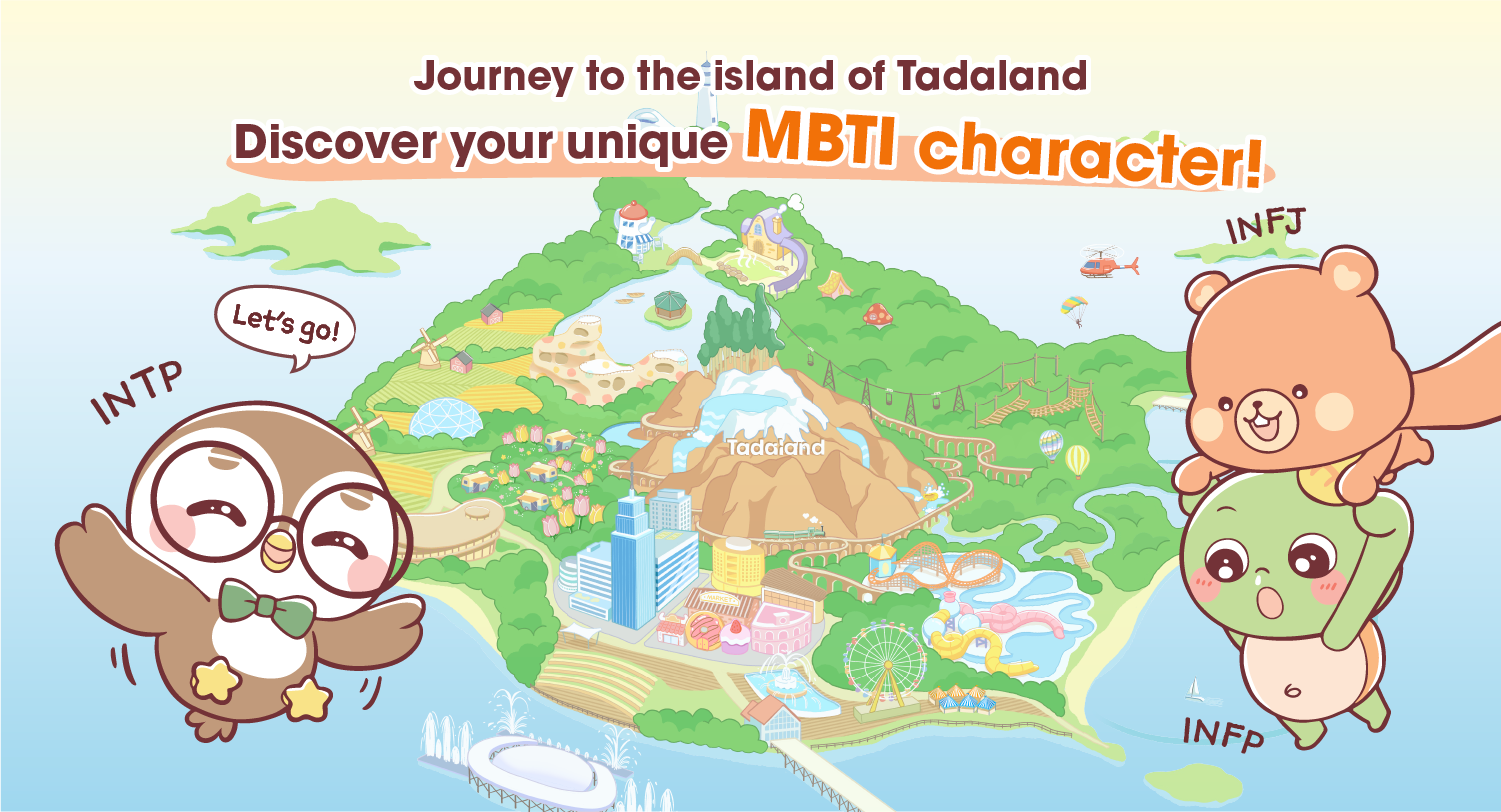
If you are reading this to find out whether it is you, a description is a poor way to decide. The FREE 16 Personalities - Tadaland MBTI Test! takes about ten minutes and gives you something firmer to start from.
How an ISFP actually works
The letters stand for introverted, sensing, feeling and perceiving. More useful are the two mental habits an ISFP leans on most.
The first is introverted feeling, usually shortened to Fi. It is an internal scale. Every option, person and request gets weighed against it, quietly and fast, and the answer comes back as a sense of fit rather than a reason: this sits right, that does not. The scale is personal, not borrowed from the group, and it is surprisingly firm. An ISFP can be flexible about almost everything and completely immovable about the three or four things on it.
The second is extraverted sensing, or Se. It points outward, at the present moment and the physical world: texture, colour, sound, temperature, the exact way a room has been arranged. An ISFP is often the first to notice that the restaurant lighting is too harsh, or that the soup is better than last time. This is not decoration. It is the channel through which the type takes in information and, just as often, the channel through which it answers.
Put the two together and you get the real signature: an ISFP expresses values through action and making, not through argument. Where another type would write the email explaining why something matters, an ISFP fixes it, cooks for you, rearranges the space, or simply turns up. When they cannot act on what they care about, they go quiet. The quiet is not indifference. It is a scale that has been overruled and has nowhere else to go.
The misreadings worth clearing up
"Easy-going" is only half true
Because ISFPs rarely push their preferences in a meeting, they get filed as relaxed and accommodating. On small matters they genuinely are. The mistake is assuming the pattern holds all the way down. Cross something on the inner scale (ask them to present work they think is dishonest, or to be unkind to someone who does not deserve it) and the easy-going person simply stops cooperating, often without a speech. Colleagues call it stubbornness from nowhere. It was always there; it had simply not been touched.
ISFP or INFP?
This is the most common mistyping, because both types lead with the same inner scale and both are gentle, private and principled. The difference is where the second habit points. An INFP turns its values towards possibility: what could be, what a thing means, the story underneath it. An ISFP turns them towards the concrete present: what is here, what it feels like, what can be done with it this afternoon. Ask each about a trip they loved. The INFP tells you what it meant. The ISFP tells you what the water felt like.
ISFP or ISFJ?
These two share warmth and a practical streak, and both look after people without fuss. But the ISFJ is guided by remembered precedent and by the mood of the group, so it tends to keep things running as they have been. The ISFP is guided by its own scale and by what is happening right now, so it adapts freely and resists routines that no longer feel right. One maintains the tradition. The other quietly improvises around it.
| When deciding, the type mostly asks… | Type |
|---|---|
| "Does this feel right to me, here, now?" | ISFP |
| "Does this feel right to me, and what could it become?" | INFP |
| "How has this been done, and is everyone all right?" | ISFJ |
An ISFP in a Hong Kong week
This city pulls on the type in two directions at once. On one side it is a gift to Se: the steam from a cha chaan teng kitchen, the green of Lamma after rain, the harbour going orange from the Kennedy Town waterfront at seven. ISFPs tend to know the good corners of Hong Kong in a way that has nothing to do with lists. They found them by walking.
On the other side, the ordinary machinery of the week is hard on them. A packed MTR carriage at Admiralty is a great deal of sensory input with no way to turn it down. Open-plan offices offer no surface that is yours to arrange. And much of local schooling and family expectation runs on a single ladder (the right results, the right degree, the right profession), which asks an ISFP to rank above everything the thing their inner scale ranks lowest.
What restores them is rarely a big event. It is time with their hands and senses engaged and nobody timing it: a Tuesday evening pottery class in an industrial building in Kwun Tong, a slow hike, cooking a dish properly. Our introvert's guide to Hong Kong has places where that kind of time is actually available.
Where it gets hard
ISFPs dislike conflict, so they usually leave it rather than fight it. Unhappy in a job or a friendship, the type seldom complains. It simply withdraws a little more each week, until one day it is gone and the other person is baffled. The honest fix is small and uncomfortable: say the one sentence while the problem is still minor.
The least familiar part of the type, organised logic, tends to show up under strain, and not kindly. A stretched ISFP can turn suddenly harsh and efficient, making lists of everything that is wrong, criticising themselves for being slow or impractical. If you notice that shift in yourself, it is a sign you need rest, not a better system. How recovery differs from type to type is covered in how each type rests and recovers.
If the withdrawal has gone further than tiredness and you are struggling to cope, please talk to someone today. Free, confidential help exists in Hong Kong: the Samaritan Befrienders Hong Kong (撒瑪利亞防止自殺會) on 2389 2222 and Suicide Prevention Services (生命熱線) on 2382 0000, both 24 hours.
At work
ISFPs do their best work where quality can be seen and felt: design, cooking, healthcare, care work, crafts, photography, hands-on technical roles, anything where the result is physical and the standard is partly a matter of taste. They are frequently the person whose output is a notch better than the brief required, because the brief did not match their standard and they quietly met their own.
They struggle with work that is political or performative: self-promotion, and targets that reward looking busy. In a Hong Kong office, the ISFP is often the colleague nobody hears in the meeting and everybody relies on afterwards.
If you manage one, give real latitude over how the work is done and be precise about what good looks like. Explain the reason behind a rule, because an ISFP will follow a rule that makes sense and resent one that does not. Our Hong Kong office guide covers how the quieter types get overlooked and what fixes it.
In love and friendship
An ISFP rarely says "I love you" as often as they show it. The evidence is in small, physical, well-chosen things: your favourite snack appearing without comment, a playlist, a repaired strap, a walk they planned around the place you mentioned once. If you are waiting for a declaration, you may be missing the dozen already made.
They need room. Not distance, but freedom from being managed. Pressure to define things, plan the year, or explain their feelings on demand tends to produce the opposite of what was wanted. ISFP friendships tend to be few and very loyal.
Mellow, the ISFP Tadamate

In Tadaland the ISFP is Mellow. The name is a fair description of how the type looks from the outside: unhurried, gentle, not interested in winning the room. This guide is mostly about what the name leaves out: the firm scale underneath, and the precise attention to the world that the softness sits on.
How to be good to an ISFP
Notice what they made. Not in general terms: the specific thing, the detail they cared about. That is the compliment that reaches them.
Ask their opinion when it is quiet, one to one, and then wait. An ISFP in a group of eight will often say nothing; the same person across a table will tell you exactly what they think.
Do not argue them out of what they value. You will not succeed, and you will lose some trust trying. Ask what it means to them instead.
And invite them into things you can do side by side, rather than things you have to talk through. For this type, a shared afternoon is a conversation.
To check whether this is your type, take the free Tadaland MBTI test and meet all sixteen Tadamates.