

K-pop Fan MBTI: How All 16 Types Stan
Fandom typing almost always points the wrong way round. It asks which idol you resemble, when the far better evidence is sitting in plain sight: what you actually do all week. Nobody assigns you a fandom role, nobody is performing for a camera, and there is no company deciding how you come across. How you stan is unsupervised behaviour over years — which makes it a much cleaner personality signal than any bias list.
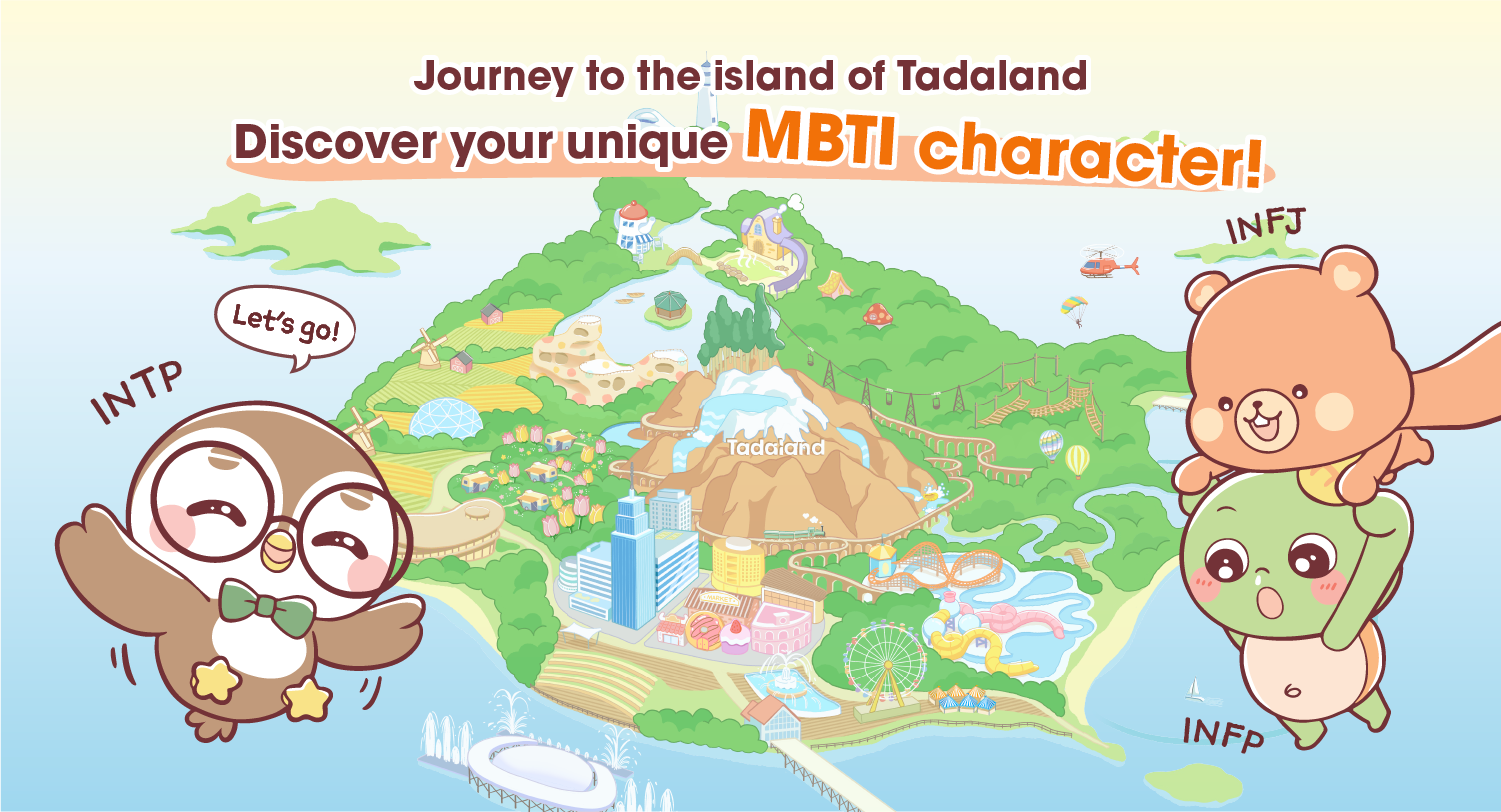
Before reading on, it helps to know your own four letters properly rather than by vibe: the FREE 16 Personalities - Tadaland MBTI Test! takes about ten minutes.
Why your fandom habits beat your bias as evidence
We have argued before that your bias is not your type, because attraction and similarity are different mechanisms and they often pull in opposite directions. The same problem sinks the other popular shortcut — reading a member's group position as their personality — which is a job description, not a character.
Your own fandom behaviour has none of those problems. It is not curated, it was never assigned to you, and it is repeated thousands of times across comebacks. That is the sort of data personality actually shows up in.
And it is remarkably consistent. The person who reorganises their photocard binder by era is generally the same person who colour-codes a revision timetable. The one who has read every production credit is the one who reads restaurant reviews before booking. The one who cried at a concert with twenty thousand strangers is the one who is fine at weddings and terrible at small dinners. Fandom is not a separate self. It is an ordinary self, given an unusual amount of free rein.
The four jobs a fandom quietly hands you
Every fandom contains roughly four kinds of work, and almost nobody does all four. Which ones you gravitate to says more than your bias ever will.
Collecting and keeping order. Albums, photocards, ticket stubs, a spreadsheet of what you own and what you still need. This work rewards patience and a tolerance for detail, and the people who do it are usually the reason a fandom can remember anything.
Analysis. Producer credits, chart mechanics, choreography lineage, why the bridge modulates. This is the fandom's explanatory layer, and it attracts the people who cannot enjoy a thing until they know how it was built.
Community. Group chats, cup-sleeve events, welcoming the new fan who has just asked an obvious question. It is the least visible work and the reason a fandom is habitable at all.
Making things. Edits, fancams, fan art, translations, a subtitled clip at three in the morning. Creative output is the engine of fandom growth and it is done almost entirely for free, by people who needed the feeling to go somewhere.
Most fans do one of these well, one of them occasionally, and two of them never. That pattern is the useful part.
The Hong Kong version of all this
Locally the shape changes slightly, because space and time are scarcer here. Collecting means deciding what a photocard binder is worth in a flat where nothing has a drawer of its own. Attending means a ballot, a flight to Seoul or Bangkok, leave that has to be argued for, and the trip being someone's entire annual holiday. Community means a Telegram group that never sleeps, in a city where the commute is often the only unbooked part of the day — which is why so much fandom happens on the MTR, and why how you use the ride home and how you stan tend to be the same question.
So the table below is not about intensity. Every type on it loves the group just as much. What differs is where the love goes when it has to choose.
| Type | How they stan | Where it goes wrong |
|---|---|---|
| ISTJ | The archive. Complete discography, every version, catalogued and in order. | Treats a missing edition as an open wound. |
| ISFJ | Quiet, loyal, long-term. Still here four comebacks after the hype left. | Takes criticism of the group personally, as if a friend were insulted. |
| INFJ | Reads the narrative arc across eras and finds the thing being said underneath. | Builds a whole interpretation of a member from three interviews. |
| INTJ | Chart mechanics, streaming strategy, why this comeback was scheduled now. | Turns a hobby into an unpaid second job with targets. |
| ISTP | Dance practice videos, frame by frame. Interested in the craft, not the lore. | Goes quiet for a year and is assumed to have left. |
| ISFP | Aesthetic-first. Edits, colour palettes, the era that simply felt right. | Cannot defend a preference out loud and stops trying. |
| INFP | Lyrics, translations, the one B-side nobody streams. Deep rather than wide. | Feels a scandal as a personal betrayal of something private. |
| INTP | Production credits, sample sources, the theory thread nobody asked for. | Explains the song until the person who liked it stops liking it. |
| ESTP | Live shows, front section, will get the ticket by any means available. | Loses interest between comebacks when nothing is happening. |
| ESFP | Learns every choreography, films it, brings four friends into the fandom. | Collects four more groups by March and thins out. |
| ENFP | Total immersion, evangelism, a thread explaining why you must listen now. | Burns very hot, then finds a new group and feels guilty about it. |
| ENTP | Enjoys the discourse as much as the music. Will argue the unpopular position. | Starts an argument for sport and is read as a hater. |
| ESTJ | Runs the group order, the ballot spreadsheet, the queue that actually works. | Gets sharp with people who are only here to have fun. |
| ESFJ | The social centre. Organises the cup-sleeve, remembers every birthday. | Absorbs the fandom's conflicts as though they were hers to fix. |
| ENFJ | Protective. Runs the welcoming account, defends the new fans, sets the tone. | Takes on the emotional weather of a whole fandom and says nothing. |
| ENTJ | Mobilises. Streaming parties, voting drives, birthday ad in Mong Kok. | Measures a good week in numbers and forgets to enjoy the song. |
How to use this without typing yourself wrong
Two cautions, because this is exactly where fandom typing usually goes off.
The first is that a row you enjoy reading is not evidence. Pick the one that describes what you did during the last comeback, not the one that describes the fan you would like to be. Those are rarely the same row, and the gap between them is worth noticing on its own.
The second is that behaviour changes with circumstances, and the biggest one is money and time rather than personality. A fan who has stopped attending concerts has not become an introvert; they may simply have started a job with no leave. Type shows up in what you do when the constraint is lifted.
One more thing worth saying plainly, since it is the whole reason this site exists: none of this is a ranking. There is no correct way to love a group. The archivist and the person who has never bought an album are both entirely in, and the fandoms that work are the ones with all four jobs being done by different people who do not think the others are doing it wrong. If you want to see where the idols themselves sit, the K-pop MBTI database collects the publicly given types by group — all of them self-reported or fan-attributed, which is exactly why they keep changing.
To find your own four letters, take the free Tadaland MBTI test and meet all sixteen Tadamates — starting with Jolly, the ENFP, who is where most fandom energy starts.