

MBTI and Weekend Plans: Interest Is Not a Booking
The lunch invitation has six enthusiastic replies and no confirmed headcount. One friend has already looked for a table; another is still checking whether Saturday is free. In this fictional Hong Kong weekend, nobody is trying to be difficult. They have simply put different meanings into the same cheerful reply. MBTI's Judging and Perceiving preferences offer a useful starting question: which part needs to be settled, and which part can stay open?
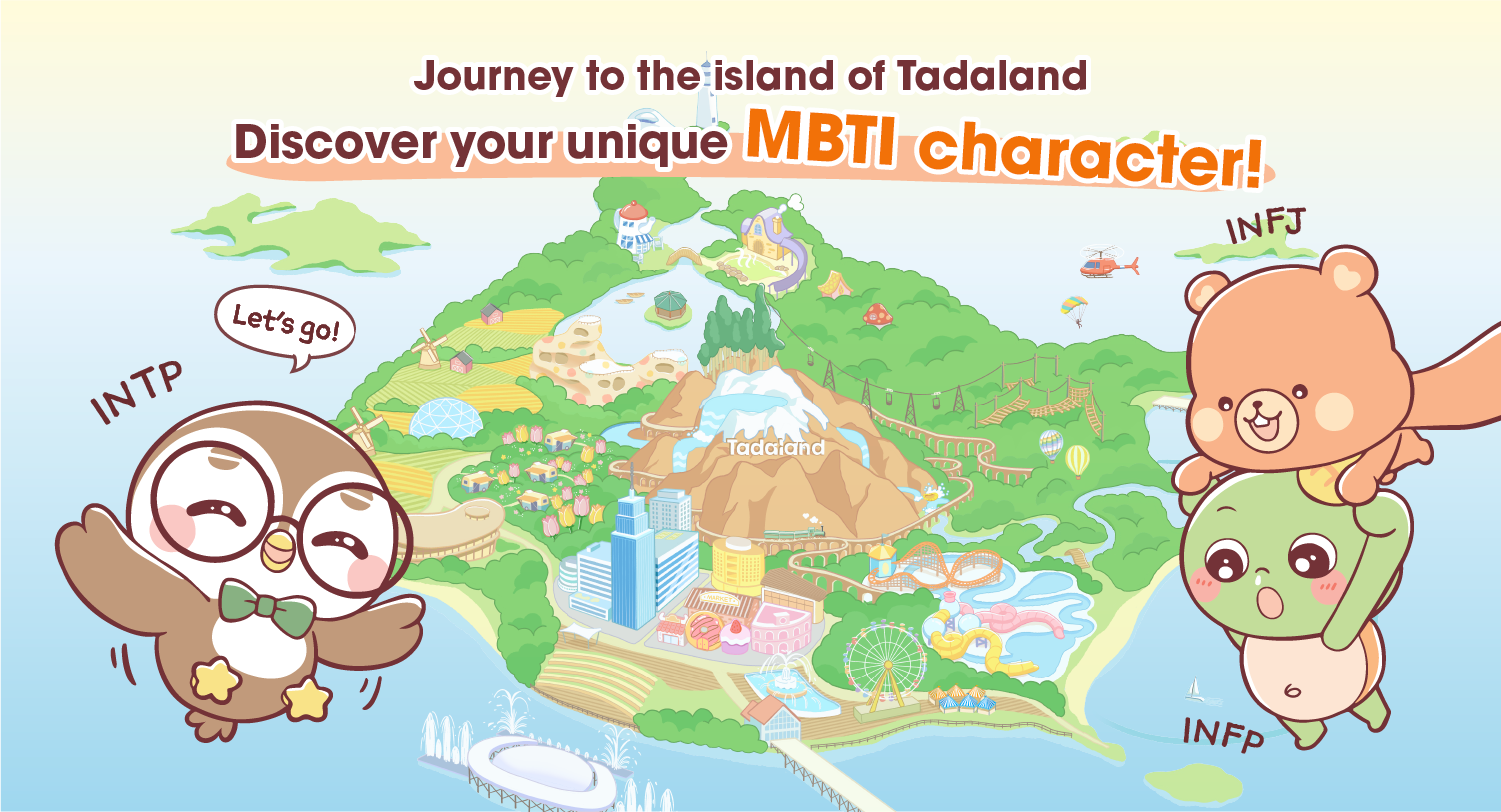
Explore your own preferences with the FREE 16 Personalities - Tadaland MBTI Test!. Tadaland's character quiz is for exploration, not the official MBTI assessment or a way to decide what someone else's reply means.
One invitation, three different answers
On Wednesday evening, Yan suggests lunch in Kennedy Town on Saturday. Mei replies that she would love to come. Kit sends a restaurant link. Yan takes both as agreement and starts comparing tables for six. Mei, however, has not yet checked a family commitment. Kit is recommending somewhere nice, not promising to be there.
By Thursday morning, Yan wants a number. Mei wonders why a casual lunch has acquired an attendance register. Kit suggests meeting first and choosing somewhere on the day. Each suggestion makes sense from one seat at the table. None answers the others' unspoken question.
Yan is asking whether it is safe to book. Mei is saying she likes the idea. Kit is keeping the afternoon interesting. Interest, commitment and suggestions have become one conversation, with no labels on the drawers. The problem is not that anyone used the wrong personality. The invitation never explained what a reply would authorise.
Try asking what you actually need to know. A booking may need a firm headcount, while a walk afterwards may not. If nothing costs money and no one must travel far, the group may happily leave more undecided. If one friend has to arrange childcare or pay a deposit, that person needs more than enthusiasm. The relevant difference is the consequence, not whose calendar looks tidier.
J and P describe a preference, not a promise
The Myers & Briggs Foundation describes Judging as a preference for a more structured approach to the outside world, with decisions and closure. Perceiving leans towards a more flexible approach that stays open to information and options. Both involve gathering information and making decisions. Neither letter measures kindness, punctuality or how much someone values a friendship.
In our story, Yan's wish to settle the booking makes a J-style preference visible. Kit's wish to see what the day offers makes a P-style preference visible. That does not establish either person's complete type. A person who prefers Perceiving can confirm a reservation on time; someone who prefers Judging can enjoy an unplanned afternoon. Mei's family uncertainty may simply be uncertainty.
Tadaland gives these ideas a friendlier face. Beanie, the ISTJ Tadamate, offers a character doorway into responsibility and practical lists. Jolly, the ENFP Tadamate, brings a playful interest in surprises and activities. These are illustrations from a character world, not evidence that every ISTJ wants an itinerary or every ENFP dislikes one.
The familiar advice is to meet halfway. But halfway between a booked seat and an unbooked seat is not a useful reservation. A better compromise separates the decisions: settle the part that creates an obligation, and leave room around it. Nobody has to become the other person to do that.
Write the invitation in two layers
Yan tries again. In this invented exchange, the restaurant will only take the booking once numbers are confirmed, and the group agrees not to pay a deposit for anyone without their consent. Yan writes: lunch at one on Saturday; please confirm by Thursday evening if you want a booked seat. A walk afterwards is optional, with the route chosen on the day. Anyone still unsure can check later, but an extra seat is not guaranteed.
That last sentence matters. Flexibility is more honest when its limits are visible. A late answer does not secretly become an obligation for Yan to find a larger table. Equally, Yan's wish for certainty does not become permission to spend a friend's money or treat a tentative reply as a promise.
Mei now has a straightforward choice. She cannot confirm by Thursday, so she stays outside the booking and says she may join the walk. Kit confirms lunch and keeps three possible walking routes. The plan has gained one fixed point, not a cage.
The wording is a practical suggestion, not a tested intervention. A different group might prefer a walk-in lunch with no reservation at all. The useful work is agreeing which arrangement everyone is accepting, rather than selecting the arrangement that supposedly suits their letters.
Leaving time unbooked can also be a positive choice. If you need a quiet morning before meeting friends, say which part you can attend rather than disguising it as indecision. Our guide to finding time alone in Hong Kong explores that separate need. Quiet time is not reserved for one type, and wanting it does not tell your friends how much you care.
Before sending, check the cost of an unclear answer
Three questions can make the next invitation clearer. What exactly is the person saying yes to? When does someone need a definite answer? What happens if the answer changes? Put those answers where the group can find them, rather than spreading them over a dozen messages and hoping everyone has read the same dozen.
If you are replying, be equally specific. You can like the idea without being available. You can commit to lunch without committing to the whole afternoon. You can decline without supplying a personality label as evidence. If you do change an agreed plan, tell the person affected and discuss any real cost. Neither spontaneity nor organisation removes that responsibility.
Saturday arrives. Yan has a booking for the people who confirmed. Mei checks in later about the walk. Kit still has route suggestions, and nobody has had to promise sunshine. The original invitation has become smaller in one sense: fewer things are silently assumed. It has become easier to accept for the same reason.
A good plan does not settle every minute. It settles what other people need in order to choose. Perhaps that is what leaves the afternoon open.
Find your Tadamate
Every type in this article has its own Tadamate. Pick yours and take it home.
 ENFP · Jolly
Jolly enamel pin
$48.00
Shop now →
 ENFP · Jolly
Jolly pen with charms
$19.00
Shop now →
 ISTJ · Beanie
Beanie enamel pin
$48.00
Shop now →
 ISTJ · Beanie
Beanie pen with charms
$19.00
Shop now →
Not sure of your type?Take the free test